Coffee has staged a sharp reversal that every green-coffee buyer needs to understand before locking their next tranche. Arabica traded around 278 c/lb on July 1 and near 299 c/lb by July 4, 2026 — roughly a 20% rebound from its early-June low near 247 c/lb. After months of the market pricing a record Brazilian crop, near-term supply reality has reasserted itself, and the round trip is a lesson in why flat price alone is a poor procurement compass.
#A harvest that's running late
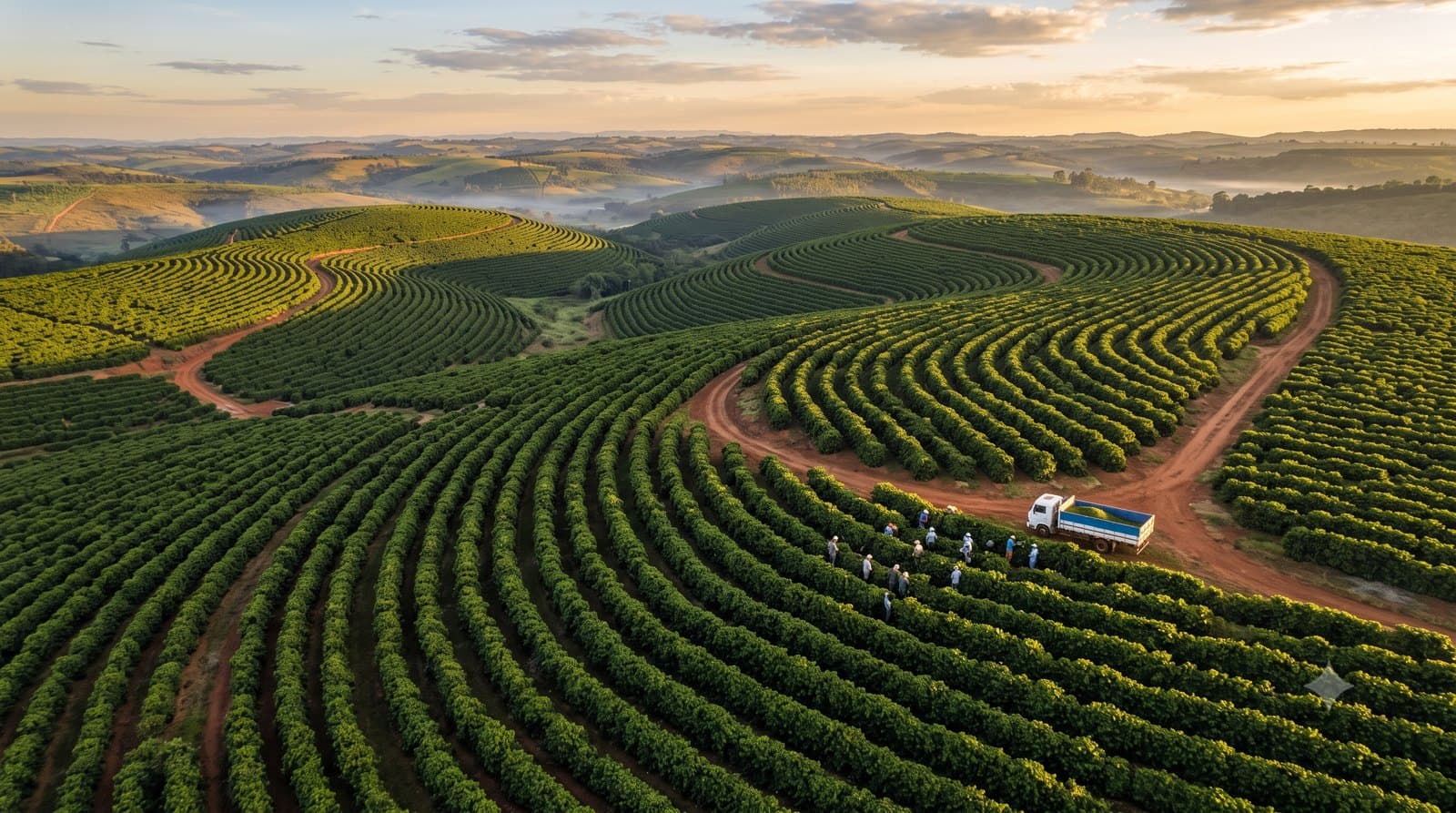
The catalyst is harvest timing. Brazil's harvest reached just 44% by June 24, behind both last year's 51% and the five-year average of 47%, slowed by June rains that also raised bean-quality concerns. When picking lags and quality is in question, roasters chasing specific cup profiles and certifications feel it in differentials long before it shows in the screen price. Adding a second layer, traders are now watching El Niño's threat to the September–October flowering window that sets Brazil's 2026/27 crop — a risk that reaches well beyond this season.
Yet the structural picture remains heavy: the USDA still projects a record 2026/27 Brazilian crop of around 71.9 million bags, and dry weather forecast for the first half of July should let the harvest catch up. That is the tension a category team must manage: a genuinely large crop is coming, but the path to it is bumpy enough to keep prices volatile.
#What it means for procurement
The supply-chain takeaways are concrete:
- Ladder in, don't chase. Treat this rebound as volatility to buy cover in tranches, not a new bull market to chase at a single level.
- Watch the real cost drivers. Origin differentials, EUDR-compliant traceability premiums, ocean freight, and the USD/BRL rate can each move landed cost more than the ICE flat price.
- Mind the currency. Because coffee is dollar-priced while Brazil sells in reais, FX swings can amplify or mute this move on your invoices independent of the crop.
#Outlook
Expect a choppy range while harvest pace and July weather duel with the record-crop overhang. Buyers with laddered cover and a live view of differentials will navigate it far better than those anchored to the headline number.
Cookiedogs reads coffee through crop cycles, currency, freight and certification — so buyers see landed-cost risk before it reaches the invoice. If green-coffee strategy is on your desk this quarter, this is the terrain we live in.
Prices are market prints as of 1–4 July 2026 and move intraday. Market commentary for informational purposes, not trading or investment advice.