The cocoa price just did something that should make every confectionery buyer stop and separate two things that look identical on a screen but mean opposite things for a procurement plan: fear and scarcity. After sliding below $4,000 per tonne in early June, cocoa climbed back to a five-month peak near $5,250 on June 25 and was trading around $4,900–5,000 in early July 2026. The move looks like a supply shock. The underlying data says it isn't. That gap is the entire opportunity — and the entire trap.
#The signals that actually matter
Read the fundamentals and the market should be soft, not tight. Ivory Coast port arrivals reached 1.910 million tonnes by June 28, up 18.4% year-on-year, and ICE cocoa inventories climbed to a near two-year high of roughly 3.0 million bags. After two seasons of genuine deficit — the squeeze that drove cocoa to an all-time high near $12,900 in December 2024 — the physical market is visibly re-supplying. On the balance sheet alone, price should be drifting lower, and indeed cocoa is still down roughly 60% from a year ago.
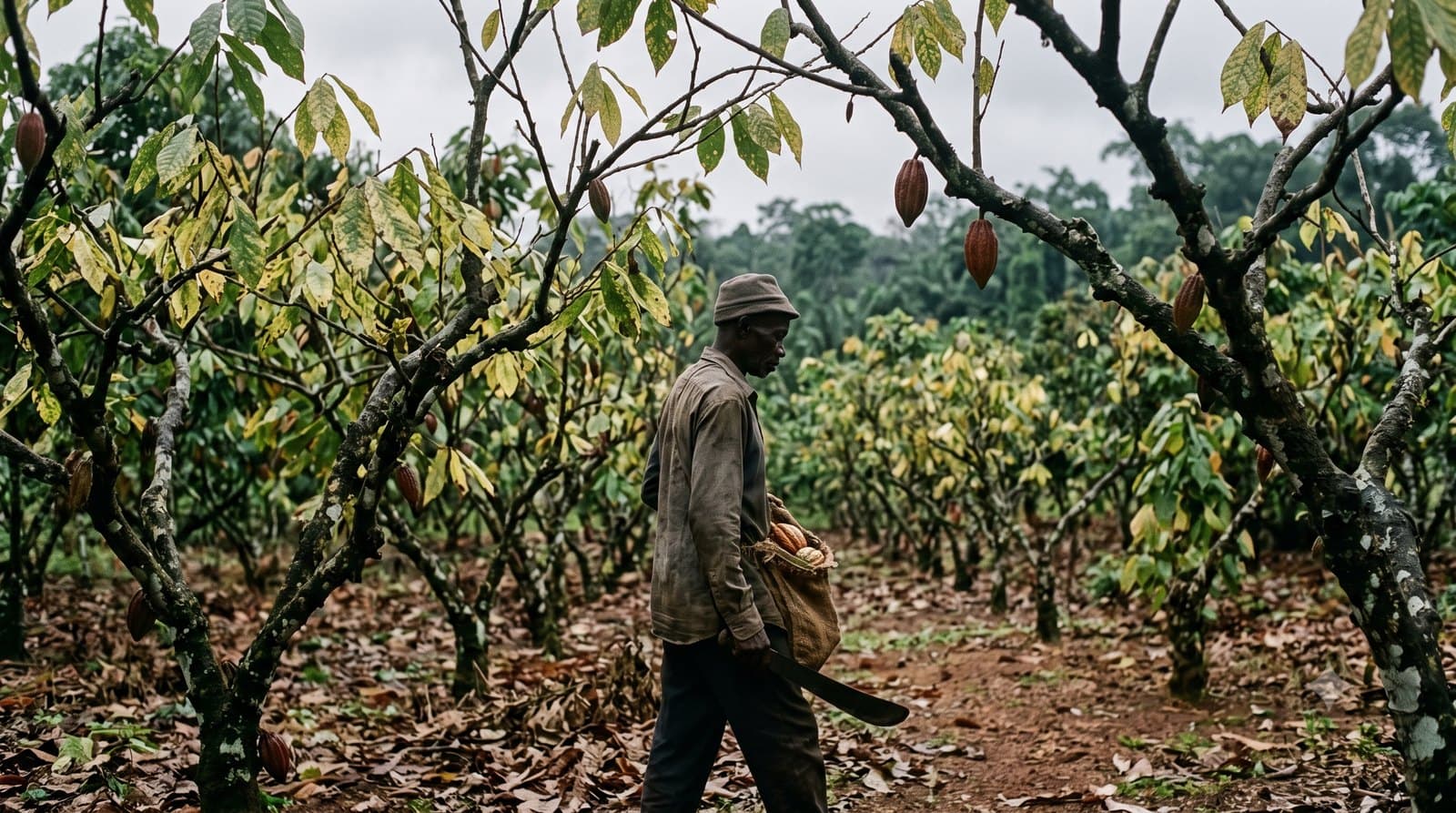
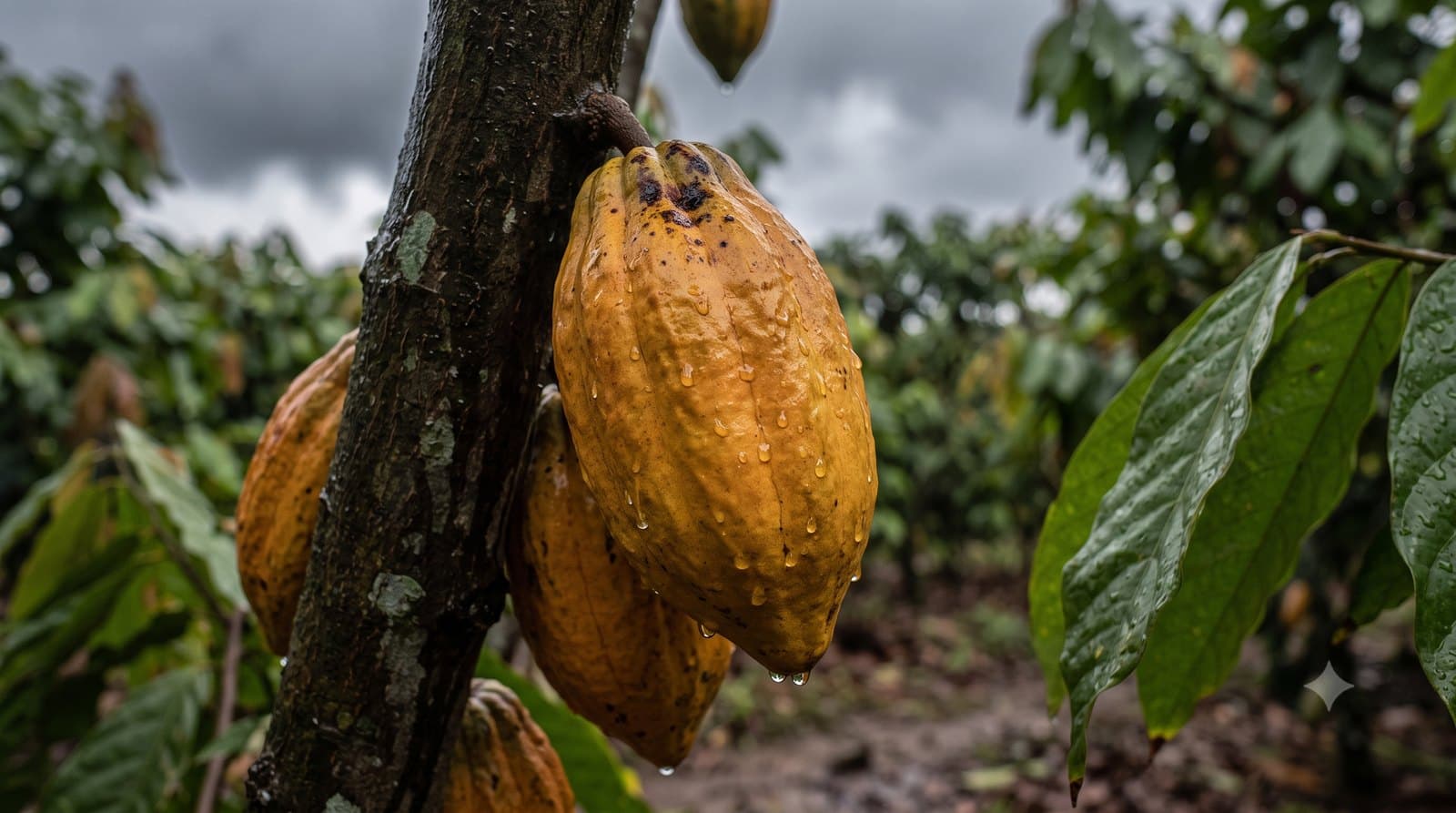
So what put $1,000 a tonne back on the price in a matter of weeks? Not a shortage — a weather premium. Growers in Ivory Coast are flagging that above-average rainfall across the main producing belt could bring flooding, elevated black-pod disease pressure, and a hit to bean quality on the March-to-August mid-crop. Nobody has lost the tonnes yet; the market is pricing the risk that it might.
#Why cocoa reprices faster than it should
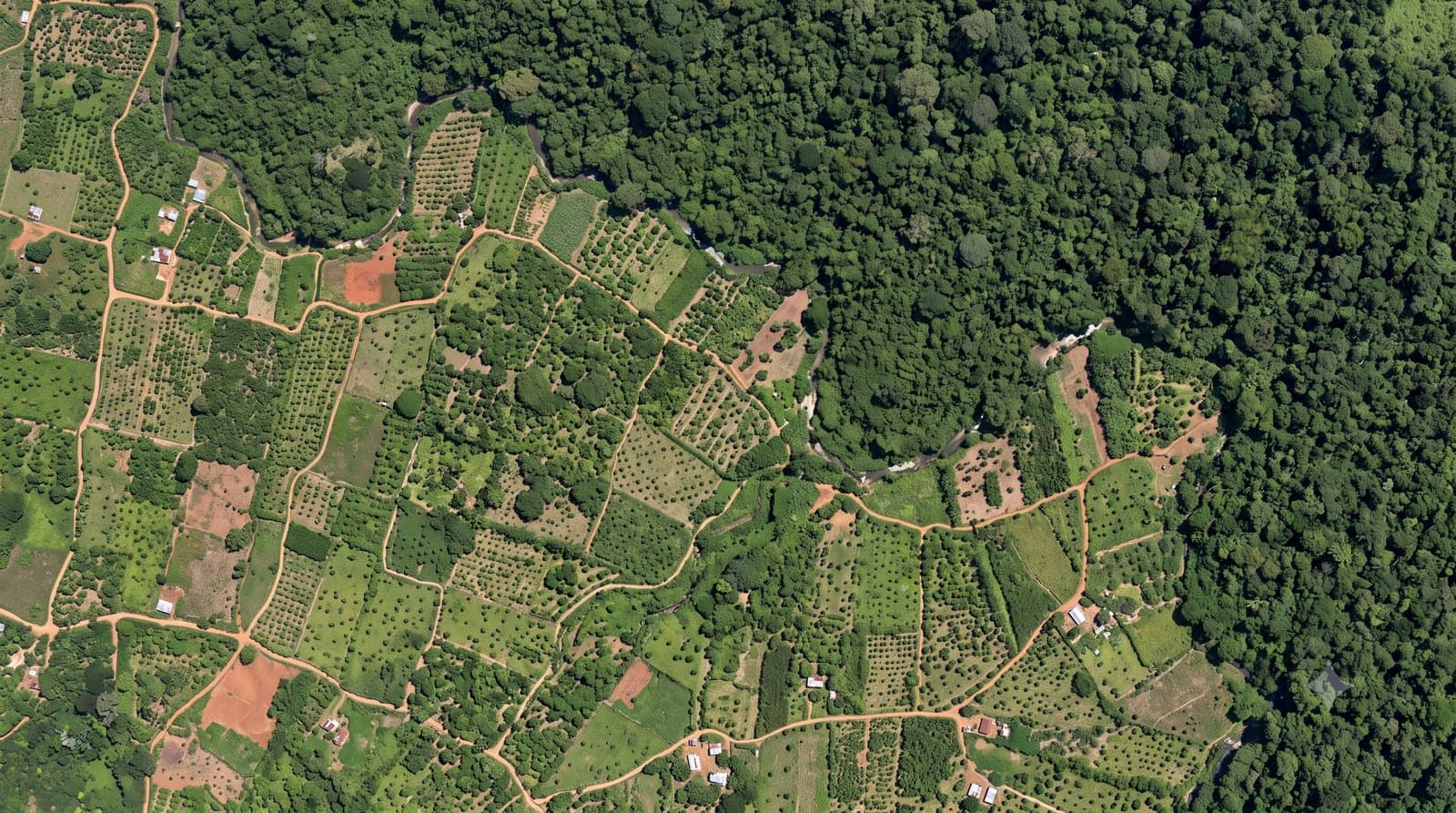
This is where cocoa's structure matters more than its chart. Ivory Coast and Ghana together produce more than 60% of the world's cocoa — a level of geographic concentration that turns a regional weather story into a global price event. When supply hangs on two countries, aging tree stock, and a disease profile that thrives in exactly the wet conditions now being reported, a quality scare is enough to trigger short-covering. You don't need a volume shortfall to move the price; you only need the credible fear of one, and thin summer liquidity does the rest.
For a category team, the discipline is to hold two facts at once: the arrivals and inventory data say the multi-year squeeze is genuinely easing, while the price says the market is nervous about the mid-crop. Conflating those — treating a weather premium as if scarcity had returned and chasing the rally — is precisely how procurement overpays at a top.
#The operating picture for procurement
The move is an opportunity to act on structure rather than react to noise. Three moves follow directly from the signal:
- Use spikes, don't chase them. A weather-premium rally into a well-supplied market is a window to lengthen forward cover and grind margins with counterparties — not a reason to abandon a disciplined days-of-cover plan.
- Price EUDR into the "available" pool, not just the flat price. As the EU Deforestation Regulation tightens, compliant, plot-level-geolocated, traceable beans become a structurally scarcer and premium sub-market even in a year of abundant total supply. The compliant curve and the exchange curve are diverging; procurement that models only the latter is flying half-blind.
- Keep inventory as a disease hedge, not a cost line. In a two-country, disease-sensitive crop, a strategic buffer is insurance against exactly the black-pod scenario the market is now pricing.
The second-order signal is demand. Two years of record prices already forced reformulation, pack-size cuts, and substitution across the confectionery shelf — classic demand destruction that, with a lag, loosens the balance further. If the mid-crop holds its quality, the market's central question flips from "is there enough cocoa?" to "how far does price fall to clear it?" The weight of evidence — arrivals, inventories, recovering African output — still points structurally lower once the weather premium bleeds off; the near-term risk is a genuine flood-and-disease event that converts today's fear into tomorrow's tonnes lost.
Either way, the buyers who win this market are the ones reading the signal underneath the price, not the price itself.
Cookiedogs fuses market, weather, origin, and regulatory signals into one operating picture — so confectionery buyers can tell a weather premium from a structural shortage before it reaches the invoice. That's the terrain we live in.
Prices are market prints as of 1–4 July 2026 and move intraday. Market commentary for informational purposes, not trading or investment advice.